What if attending high school just minutes from home could open doors to the entire world?
For one EF Academy New York alumnus from the Class of 2019, that's exactly what happened.
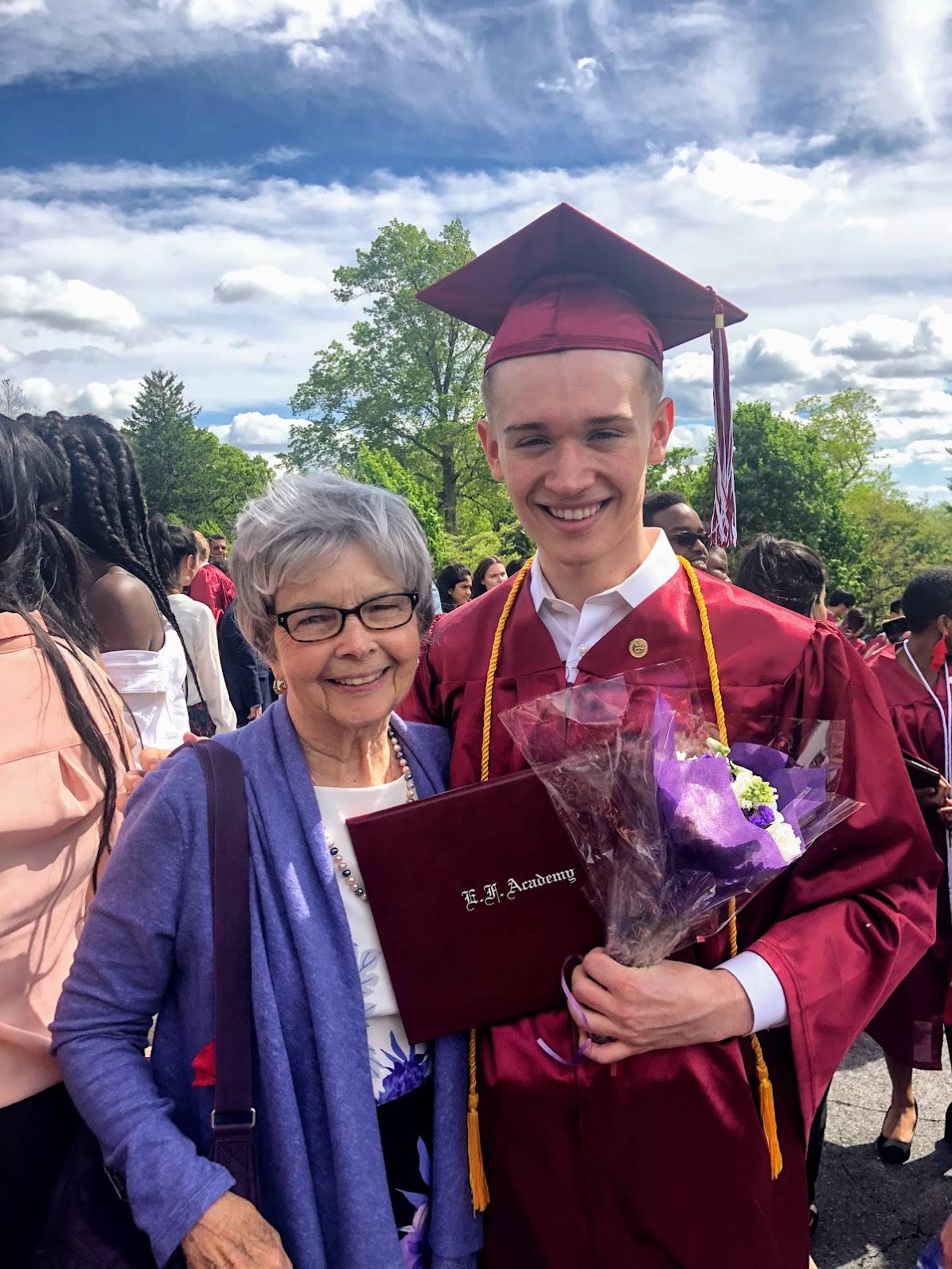
Growing up just minutes from campus, he was one of the school's most local students. But inside the classroom, he found himself surrounded by classmates from across the globe, each bringing their own cultures, experiences, and perspectives. What began as a high school experience unlike any other would ultimately shape the way he approached leadership, travel, relationships, and his professional career.
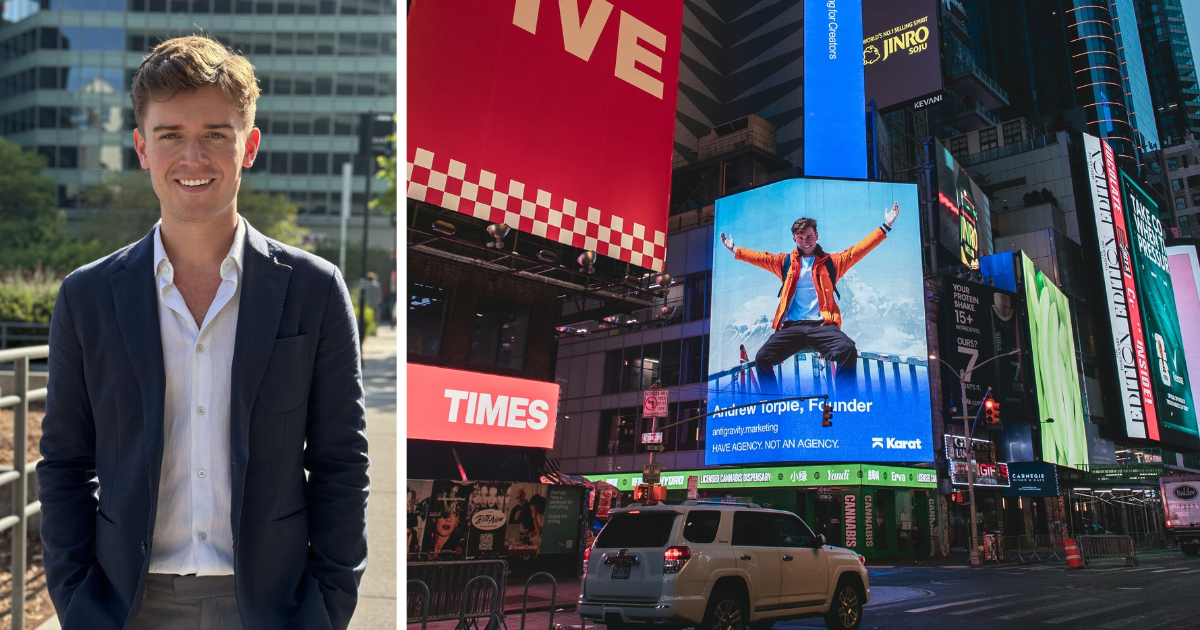
Since graduating, his journey has taken him across continents and industries, from backpacking through Europe to building a career in digital marketing and launching his own agency, Antigravity. Today, he serves as Digital Lead at PRODA, a beverage brand, while continuing to embrace the global perspective and curiosity that began at EF Academy.
We recently welcomed him back to campus for an alumni conversation at our Pasadena campus and had the opportunity to ask him about his journey, the lessons that have stayed with him, and the advice he would give to students considering EF Academy today.
His answers offer an authentic glimpse into what makes the EF Academy experience so special, and why its impact extends far beyond graduation.
Since graduating from EF Academy in 2019, you've studied, traveled extensively, and built a unique career path. Looking back, what part of your EF Academy experience has proven most valuable in helping you navigate those experiences?
I lost my father when I was 13, less than a year before I applied to EF. I didn't have words for it yet, and what I needed wasn't just a new school. It was a new world. EF brought that world to me. My classmates flew in from everywhere, and I came from the middle school next door. The Culture Fair alone was a world tour with no passport required. The most valuable thing I took from it is that what I considered normal was just one version of normal. That has carried me through everything since. In college, backpacking across Europe and now with clients and teams, I walk in assuming my way isn't the only way, and I listen first. My commute to EF was short. My horizons were not.
You chose to backpack and explore the world after EF—how did attending such an internationally diverse high school shape the way you approached travel, new cultures, and unfamiliar environments?
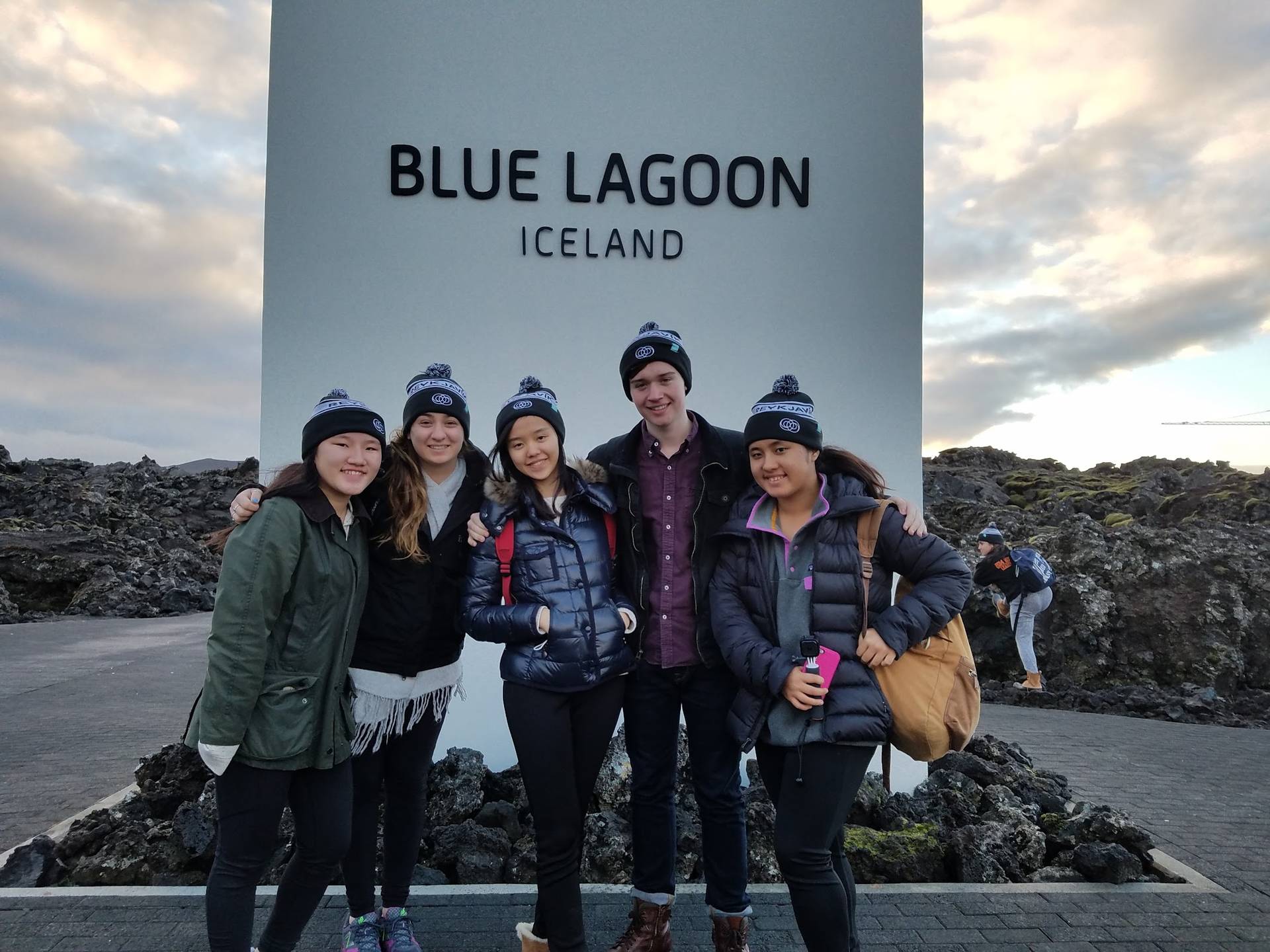
Going to school with the world made the world feel familiar. My friends included classmates from Kazakhstan, Norway, Vietnam and Switzerland, so by the time I traveled, new cultures didn't feel foreign. They felt like people I hadn't met yet. EF also got me out the door early: Iceland at 15, then Peru at 16 with my Global Perspectives teacher, from Lima to the Amazon to Cusco and Machu Picchu, then a summit in Milan that summer. So when I backpacked alone through Madrid, Barcelona, Paris and Berlin in 2020, being the outsider didn't scare me. At EF, everyone is new to someone. My approach to an unfamiliar place is the one EF taught me: ask questions, try the food, and assume there's a good reason people do things differently.
What is one lesson, skill, or mindset you developed at EF Academy that has helped you succeed both professionally and personally since graduation?
Disagreement doesn't have to mean disrespect. At EF, a history class could turn into Model UN without the placards. You'd realize that people you liked and respected saw politics, religion or history completely differently, often because their families had lived it. You learn to listen, understand where someone is coming from and still hold your own view. As student body president, that became a working skill. An international community never wants just one thing, so you listen first and look for what brings people together. Professionally, I use it every day with clients and teams. Personally, it's why I can stay close to people who see the world very differently than I do. Most people mainly want to know they were heard. Turns out that's true in every language.
Was there a particular class, teacher, experience, or conversation at EF Academy that influenced the direction you ultimately took after high school?
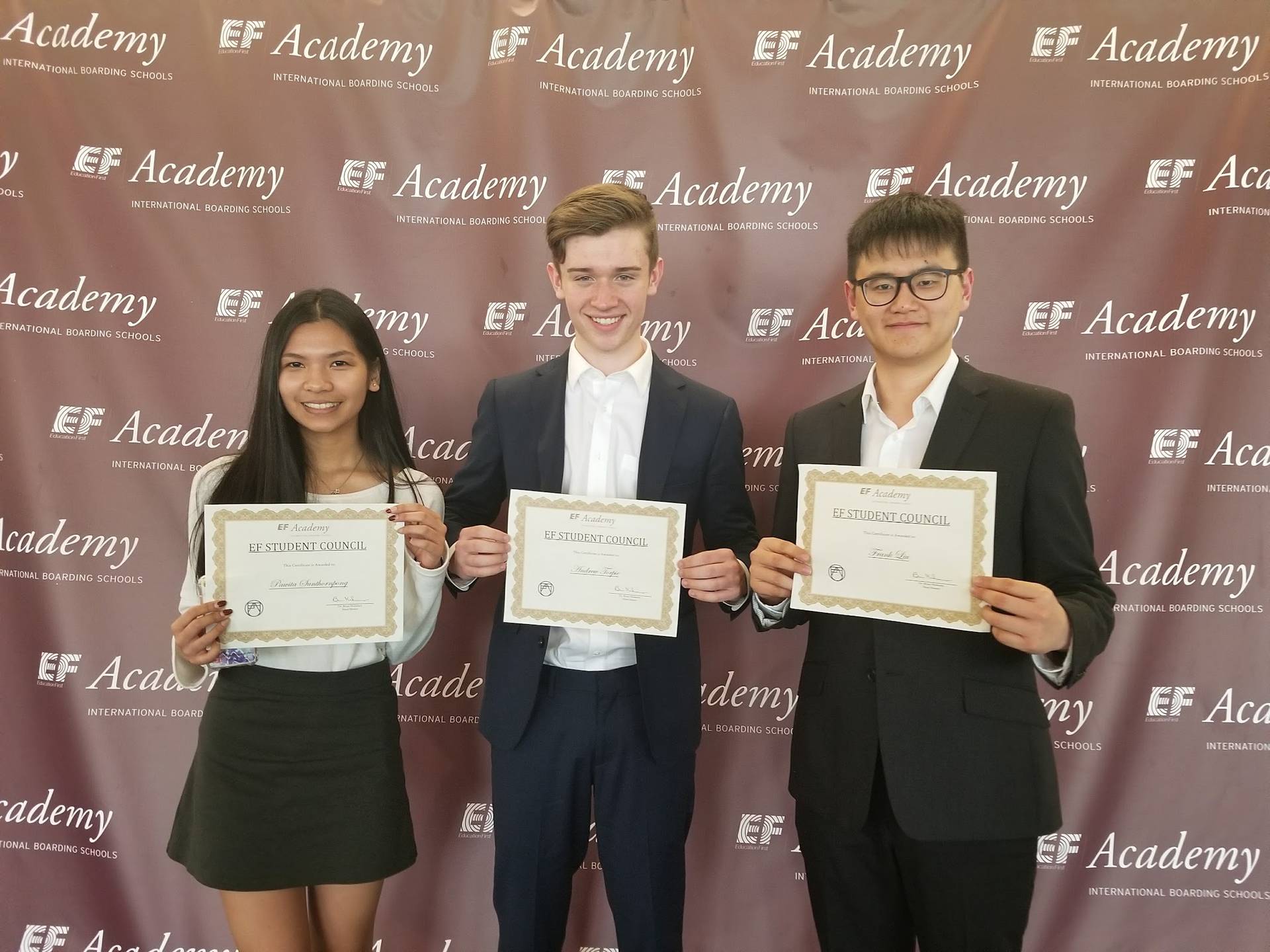
Two things: one shaped what I do, the other how I think. The "what" was a writing internship with EF Academy's marketing team when I was 16, on top of running student council campaigns. Writing for the school and persuading classmates from all over the world to vote for me was my first taste of marketing, and I never really left. The "how" was Theory of Knowledge, which asks how we know what we think we know. It felt like someone had turned overthinking into an academic subject. It taught me that confidence and certainty aren't the same thing: I was certain I'd fail the IB, and I graduated with the full diploma plus ten college credits. In a field where AI can be confidently wrong, that lesson is basically my day job. And yes, I'm writing for EF marketing again. I've been promoted to content.
Many EF Academy students build friendships with peers from around the world. Have any of those relationships or global connections remained part of your life today?
Yes, and they're some of my favorite people. Rachel, my IB partner (basically a buddy-cop movie with more citations), never really left. We moved to Los Angeles together in 2020, later shared an apartment, and she's still one of my closest friends. But my favorite thing is reconnecting with EF friends I haven't seen in years. It's like meeting a completely different person who somehow knows all your stories. They've grown up, moved countries, changed careers, and five minutes later we're back at the lunch table, crying laughing about something that happened when we were fifteen. Ten years sounds like a long time until you're in the same room again. EF friendships don't really end. They just switch time zones and wait for you.
Your journey after graduation hasn't followed a traditional path. How do you think EF Academy prepared you to embrace uncertainty, take risks, and pursue opportunities outside your comfort zone?
EF let me practice leaping before the stakes were high. I applied at 14 almost on a whim. At 15 I chased and won the main student intern role at EF's Global Student Leaders Summit in Iceland, ecstatic and stressing out in equal measure. I swam in the Blue Lagoon straight off the plane, met Iceland's president and spent the night before my speech convinced I looked like a horse. Then, visibly anxious, I introduced Steven Chu, the Nobel Prize-winning physicist, anyway. That's the lesson I still run on: you don't have to feel ready, you just have to start. So when I moved to Los Angeles at 19 knowing only a couple of people, it wasn't my first leap. My first one involved a Nobel laureate and, in my own opinion, a horse.
Looking back at your younger self as an EF Academy student, what advice would you give to someone who isn't entirely sure what they want to do yet but is excited about the possibilities ahead?
Three things. First, participate before you feel ready. In ninth grade I joined Model UN, student council and a stock market club. I didn't have a plan. I had sign-up sheets. Confidence usually shows up after the first step, not before. Second, make friends who are nothing like you. The people who challenge your assumptions are the ones you'll learn the most from. Third, don't take any of it for granted. While you're in it, lunch with classmates from all over the world just feels like lunch. Trust me, it's never just lunch. Not knowing what you want to do yet isn't a problem. It's a great excuse to try everything, and EF is a very good place to do it.
You've had experiences across different countries, industries, and stages of life since graduating. In what ways do you think EF Academy helped build the confidence and global perspective needed for that journey?
By giving me reps in both. Confidence, because EF kept handing me chances to lead before I felt ready. At 16 I pitched a library redesign to EF's senior leadership and got it approved, which is how I came to assemble sixteen IKEA tables in one day and call it presidential duties. Global perspective, because classmates from all over the world teach you that your way of seeing things is valid but not the only way. That's how I've moved between cybersecurity, political campaigns and marketing, and why running my agency from Berlin, Tuscany and Capri for seven weeks felt surprisingly normal.
What surprised you most about life after EF Academy that actually prepared you for better than you realized at the time?
How global my perspective had quietly become. At EF it just felt like school: history next to classmates whose families had lived what we were studying, holidays I'd never heard of, friends from all over the world. After I graduated, I noticed it everywhere. When something happens in the world, I think about how it looks from the other side, because I've shared classrooms with people from the other side. When I walk into a new city, a new industry or a room full of people who don't think like me, I'm curious instead of lost. That didn't come from one class. It came from years of the world being the default. I knew EF was special while I was there. I didn't realize how rare that was until I left and found out most people never get a high school like that.
When you think about the person you were in 2019 compared to who you are today, where do you see the strongest connection between your EF Academy experience and your current life and career?
In 2019 I was 18, fresh out of EF with a diploma, a lot of opinions and no idea what came next. Today I'm the digital lead at PRODA, a beverage brand, and I run my own agency, Antigravity (antigravity.marketing). The strongest connection is the way I lead. EF taught me that leadership isn't having all the answers. It's listening, understanding different perspectives and asking better questions. As student body president, my favorite moments were hearing ideas from students who usually stayed quiet. I still run every project on the questions EF taught me: What am I missing? What would someone with a completely different background think? The opinions, I'll admit, also survived.
What would you say to an American student who feels nervous about attending a school where the majority of students come from other countries?
Listen to your gut. If a school full of the world excites you, trust that. Your friends back home might not get it, and that's okay. EF is a completely different experience from any other private school, and that difference is the whole point. I was as local as it gets: I grew up minutes from campus and was the first student from my town. My first days I felt like an outsider. Within days I had friends, and within weeks classmates from the other side of the world were confiding in me. Being American turned out to be an advantage, too, because you know the country everyone else just landed in, so you get to be the host. It's unusual, it's sometimes uncomfortable, and it was the most incredible and rewarding thing I did as a teenager. Be nervous. Go anyway.